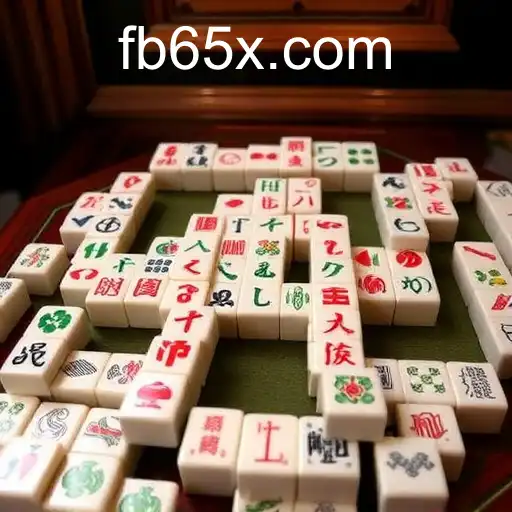
The Fascinating World of Mahjong
Mahjong is a captivating and complex game that has been enjoyed by millions worldwide, transcending cultural boundaries and evolving over centuries. Originating in China during the Qing dynasty, Mahjong has grown into a global phenomenon. This game of skill, strategy, and concentration holds more than just the allure of entertainment; it is also a window into the rich cultural traditions of its origins.
The Intricacies of Mahjong Gameplay
At its core, Mahjong is a game played with tiles, and it requires four players. Whether in a bustling Hong Kong parlor or a tranquil family room in a suburb, Mahjong enthusiasts gather around square tables eager to strategize their next move. The game is played with 144 tiles based on Chinese symbols and characters, which are divided into suits and honor tiles. The primary objective is to build a complete hand by forming four melds and a pair, through drawing and discarding tiles.
The tiles in Mahjong are divided into three primary suits: Bamboo, Characters, and Dots. Each suit is numbered from one to nine. In addition, there are four Wind tiles (East, South, West, North) and three Dragon tiles (Red, Green, White). The game begins with the dealing of tiles to each player. Players then take turns picking and discarding tiles, aiming to complete their hand by constructing sets, which include "Pongs" (three identical tiles), "Chows" (a consecutive sequence of three), and the rare "Kongs" (four identical tiles).
Mahjong Variations Around the World
Throughout its lengthy history, Mahjong has branched into numerous variations. Among these, the most notable ones include Cantonese Mahjong, Sichuan Mahjong, and the American version. Each variation presents unique rules and tile combinations, offering different challenges. The American version, for example, incorporates additional elements such as the Joker and the Charleston—a series of mandatory tile exchanges that add a strategic twist to the game.
Online Mahjong and Technological Evolution
With the rise of the internet, Mahjong has experienced a digital renaissance. Websites like 65X.COM allow players to enjoy Mahjong in a virtual space, connecting with a global network of enthusiasts. Online platforms have transformed the way people interact with the game, making it accessible to a broader audience. Players can now engage in real-time matches, sharpen their skills through tutorials, and join online Mahjong communities to share strategies and experiences.
The Cultural Impact of Mahjong
Mahjong is more than just a pastime; it is a cultural artifact that reflects the communal and familial aspects of Chinese culture. The game is often played during special occasions such as Lunar New Year celebrations, festivals, and family gatherings. It is a conduit for social interaction, strengthening the bonds between family members and friends.
For many, playing Mahjong evokes a sense of nostalgia, as it is a part of cherished family traditions passed down through generations. This connection to cultural roots makes Mahjong a significant cultural emblem for people of Chinese descent around the world.
Mahjong's Global Influence
Although rooted in Chinese culture, Mahjong's appeal is universal. Its strategic depth and engaging gameplay have captivated individuals across the globe, leading to its establishment in regions beyond Asia. In the United States, for instance, Mahjong has found a devoted following, especially among seniors who enjoy its communal aspect and mental stimulation.
Competitive Mahjong and Tournaments
Mahjong has also evolved into a competitive endeavor, with tournaments attracting participants from diverse backgrounds. These events, encompassing both traditional and contemporary variations, not only elevate player skills but also foster international camaraderie. Competitions such as the World Series of Mahjong and online platforms like 65X.COM host tournaments, bringing together top players who showcase their expertise and vie for glory.
Conclusion
As Mahjong continues to grow and evolve, it maintains its relevance as a beloved game that bridges past and present, tradition and innovation. Whether it is played around a physical table or through an online interface, Mahjong’s blend of skill, chance, and social interaction ensures that it remains a timeless favorite. With a rich history and a thriving modern presence, Mahjong continues to be a remarkable testament to the enduring appeal of cultural heritage shared among people globally.